Choosing a Garden Site
Pick the sunniest spot available and avoid areas under tree driplines. Light shade can still work — lettuce grows well in shade, and tomatoes, potatoes, and eggplant tolerate some evening shade. If you don’t have space at home, consider a community garden plot.
If your soil is poor or limited, bring in quality soil and use raised beds, boxes, or large pots (avoid chemically treated wood). Whenever possible, use your native soil: remove sod rather than tilling it, compost it, and enrich the soil with good compost or well-rotted manure. For clay soils, add agricultural gypsum, organic matter, and sand if available.
Raised beds or raised rows help with drainage and can warm the soil by up to 5°C, improving early growth.
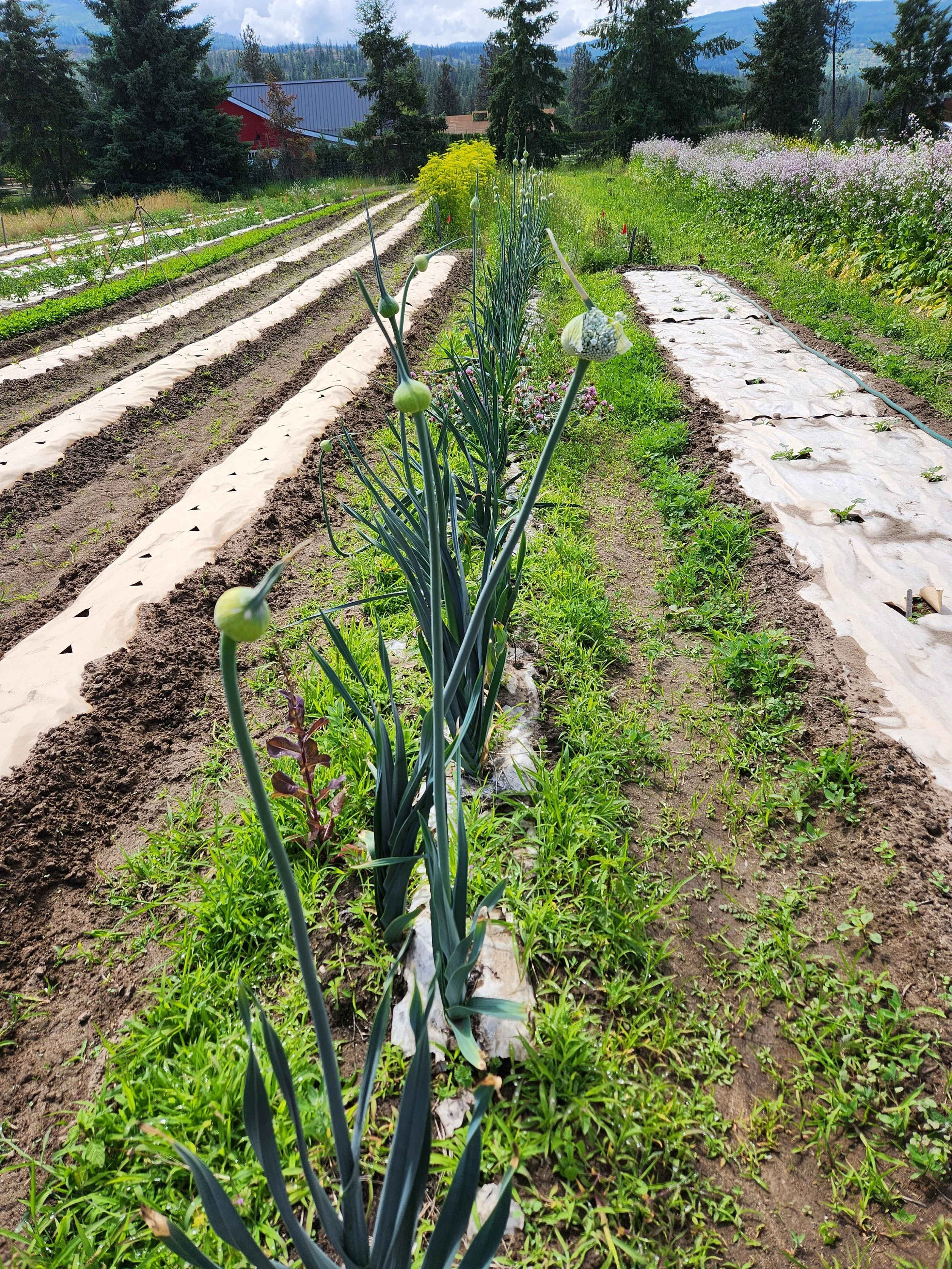
Before planting:
Let the prepared soil sit for 1–2 weeks.
Weed seeds will germinate.
Lightly rake the fine white threads (young weeds) from the soil.
This reduces competition and helps your vegetables start strong.
Planting Seeds in the Garden
General Planting Rules
Plant rows parallel to garden edges for easier weeding.
Cover seeds with soil at a depth twice the seed’s diameter.
Use a string line and a rake/hoe to make straight rows.
Temperature matters
Some seeds will rot in cold soil, including: Beans, Corn
Frost-sensitive crops should only be planted after the danger of frost has passed.
Ask local gardeners or farmers about last frost dates in your area.
Watering freshly planted beds
Keep soil moist but not wet.
Small seeds (carrot, lettuce) need consistent moisture to prevent soil crusting.
You can plant radishes alongside slow-germinating seeds (like carrots) to keep the soil loose and mark rows clearly.
Starting Seeds Indoors
When using pots or flats indoors:
Steps
Moisten your potting mix before filling containers.
Fill and gently tap the pot to settle the soil.
Make shallow or deep depressions based on seed size.
Cover lightly and firm the soil so seeds have good contact.
Water carefully so seeds don’t wash out.
Keep soil moist—not soaked.
What seeds need indoors:
Warmth
Moisture
Light
Warm spots include:
Top of the fridge
A bright windowsill
Seedling heat mats for peppers/eggplant (they prefer higher temps)
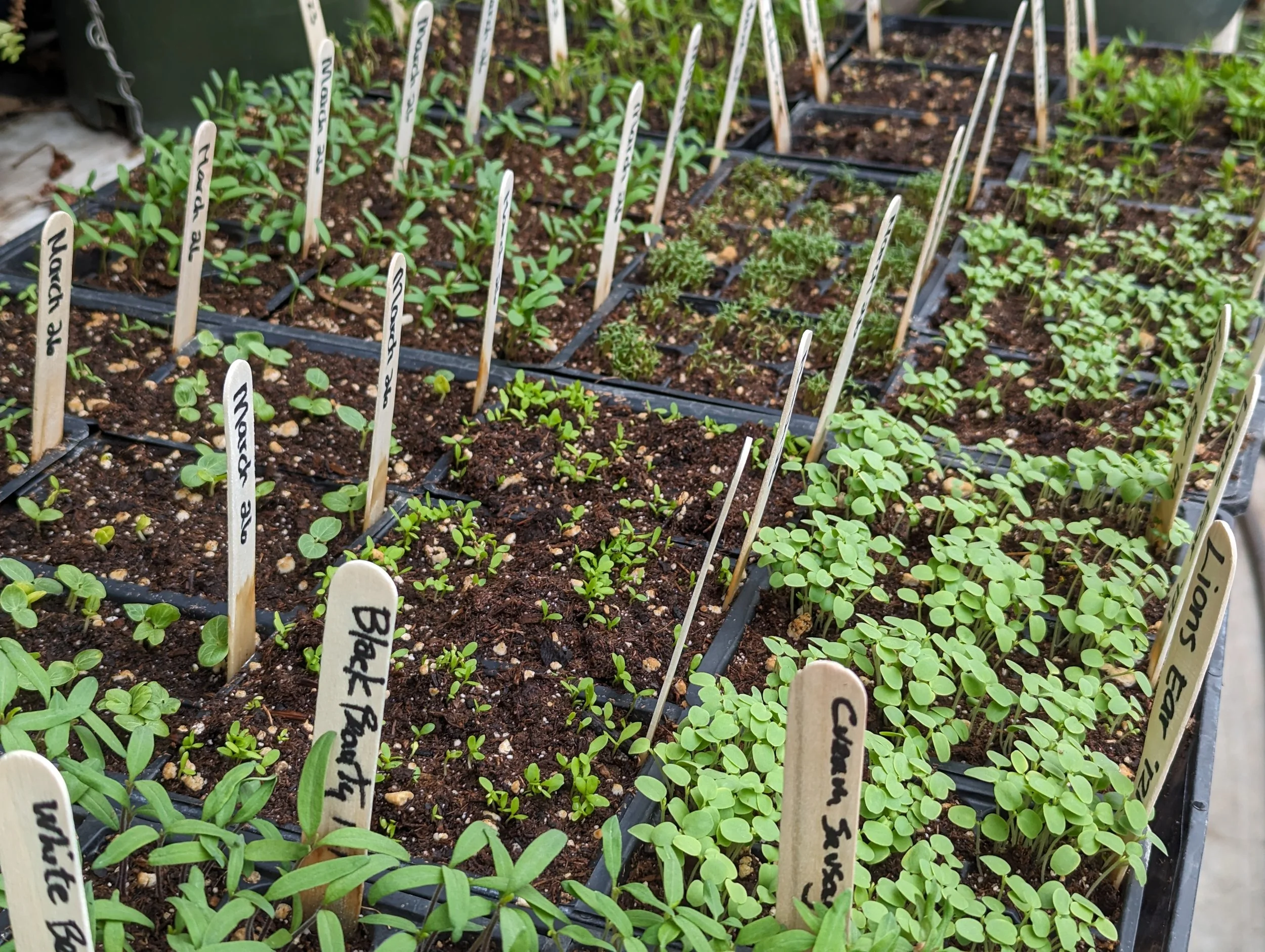
Potting up
When seedlings grow their first true leaves, transplant into larger pots for better root development.
Avoid:
Overheating
Overwatering
Overfertilizing
Use a balanced organic potting mix.
Hardening off
Before planting outdoors:
Place seedlings outside during the day and bring them in at night.
Do this for 3–4 days.
Avoid windy or cold weather during this process.
Transplanting Into the Garden
Plant seedlings during settled, mild weather.
Dig a hole and add compost.
Water in with:
Fish fertilizer
Liquid kelp
Any organic fertilizer with micronutrients
These support root development and reduce transplant shock
Compost
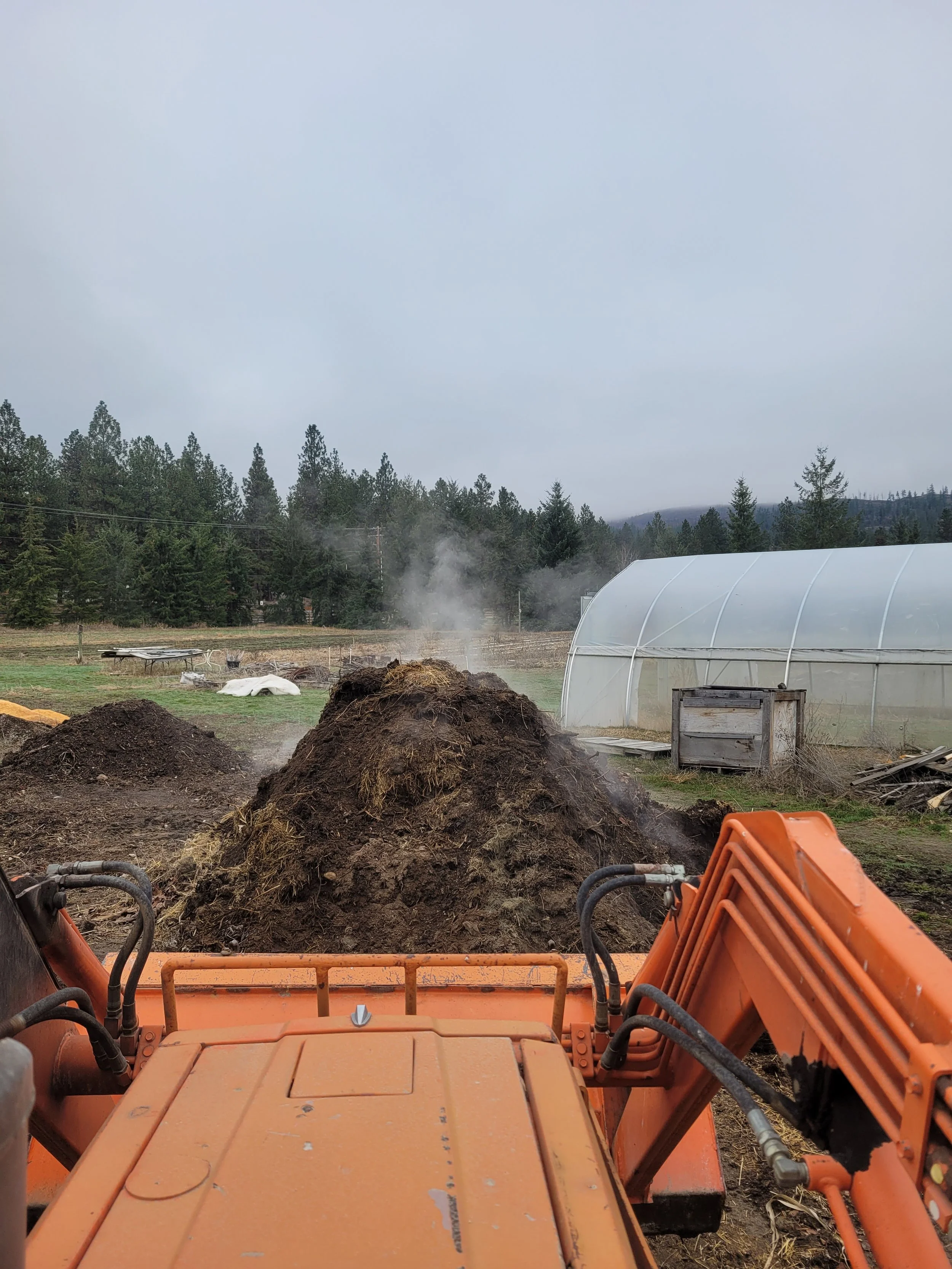
We prefer to use compost to grow and nourish our plants. It contains valuable microbes which convert soil, air and water into nutrients for plants. If you don’t have a compost, you should make one or just have a compost heap which you turn regularly. If you can’t do a compost, buy from a reputable source, some manures could contain harmful herbicides and residues which will mutate the growth of some plants including tomatoes.
Use leaves, grasses, weeds, crop and flower garden trimmings as well as kitchen parings other than meat scraps (which will attract varmits). Turn every week to encourage microbial activity for a minimum of 90 days to ensure good quality product. If you can, use a termperature probe to check temperatures, and turn when temperatures fall. Cover if cold or wet, water if too dry. It should form a ball in your fist, but not be dripping wet. Use it to ‘innoculate’ your planting area and transplant holes.
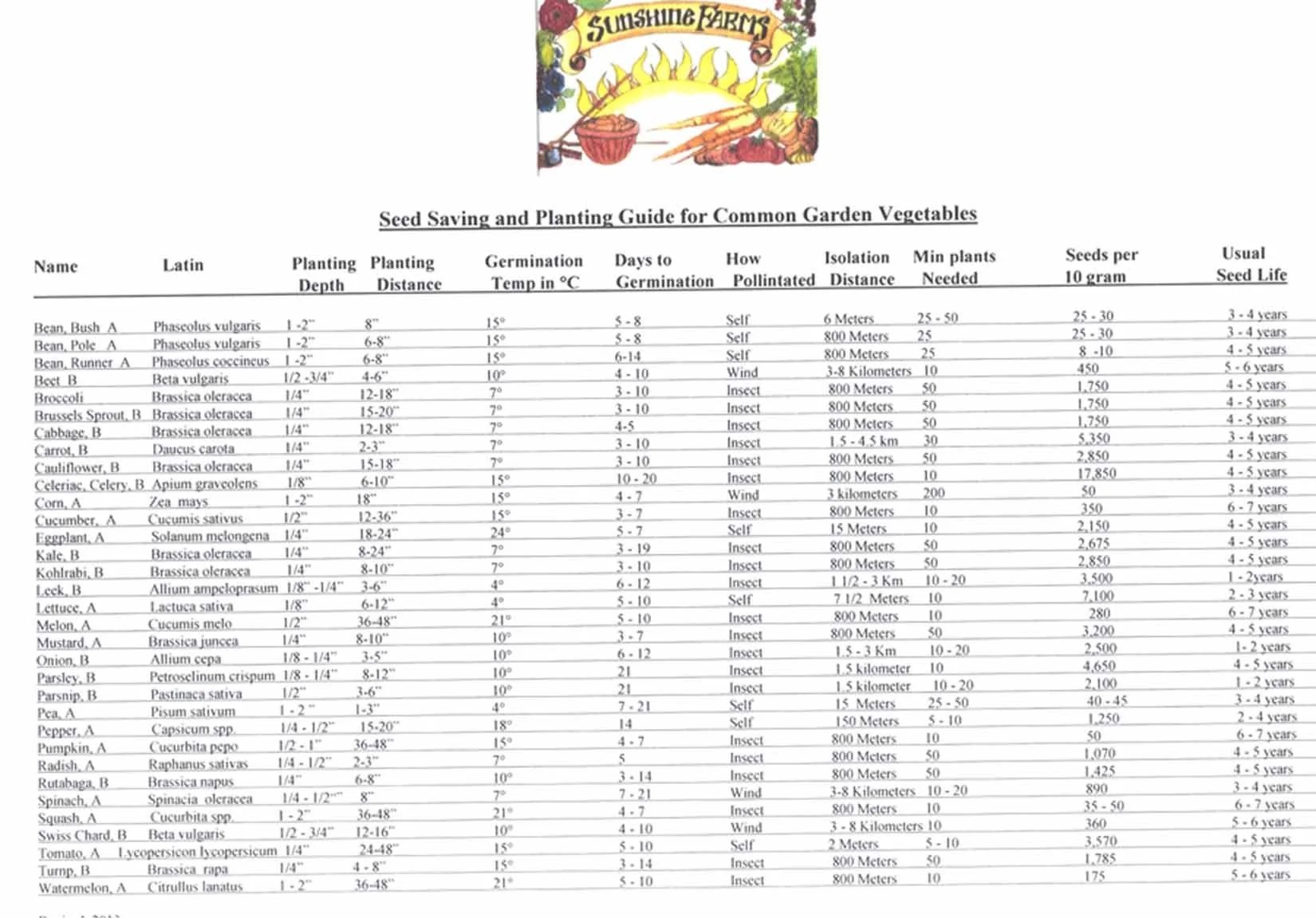
Seed Saving and Planting Guide for Common Garden Vegetables